Extend Your Bali Visa

If you’re enjoying your stay in Bali and wish to extend your time here, Bali Legals is your trusted partner in making the process smooth and stress-free. We specialise in helping travellers extend your Bali visa quickly and efficiently, so you can continue to enjoy the island without worries.

Why Extend Your Bali Visa?

Bali’s stunning landscapes, rich culture, and vibrant lifestyle often make visitors want to stay longer than originally planned. Whether you’re here for vacation, work, or to explore, extending your visa is essential for ensuring you don’t overstay or run into legal issues.

How Bali Legals Can Help You Extend Your Bali Visa

Navigating the Indonesian immigration system can be overwhelming, especially if you’re unfamiliar with the language and processes. At Bali Legals, we make it easy for you to extend your Bali visa with expert guidance and full-service support.

  • Expert Assistance: We handle all the paperwork and ensure your application is completed correctly, avoiding common mistakes that could delay your extension.
  • Convenience: We take care of all logistics, including submitting documents to immigration and handling your passport pick-up and delivery.
  • Timely Processing: Our team ensures your visa extension is completed efficiently, giving you peace of mind and plenty of time to enjoy Bali.

Why Choose Bali Legals?

With years of experience, we are familiar with every step of the visa extension process. Our team works quickly and transparently, offering reliable and affordable services to help you extend your Bali visa without complications.

Don’t let paperwork get in the way of your Bali adventure. To extend your Bali visa, contact Bali Legals today and let us handle the details so you can stay in paradise longer.

Please follow our Facebook page and Instagram account for all the latest news and information.

See our Google Reviews.

Should I Rent or Buy a Home in Bali?

When deciding whether to rent or buy property in Bali, it’s essential to weigh several factors that align with your personal circumstances, financial situation, and long-term goals. Whether you’re seeking flexibility or looking to make a long-term investment, each option comes with its own set of advantages and considerations.

Here’s a breakdown to help you make an informed decision:

Renting Property in Bali:

  1. Flexibility: Renting offers the freedom to move more easily. If your plans change or if you want to explore different areas of Bali, renting allows for greater mobility without being tied down to a single location.
  2. Lower Initial Costs: Renting requires less upfront capital compared to buying. There’s no need to make a large down payment or commit to mortgage payments, making it a more affordable option in the short term.
  3. Maintenance-Free Living: As a tenant, you typically aren’t responsible for major repairs or property upkeep. This can be especially appealing if you prefer to focus on enjoying Bali rather than managing property maintenance.
  4. Ideal for Short-Term Stays: If you’re planning a temporary stay or are unsure about your long-term plans, renting is the perfect choice. It allows you to experience life in Bali without a long-term commitment.

Buying Property in Bali:

  1. Investment Potential: Purchasing property can be a solid long-term investment. Bali’s real estate market has shown consistent growth, and owning a property could provide substantial capital appreciation over time.
  2. Stability and Security: Owning your own property provides stability and peace of mind. You’re not subject to rising rental prices or the uncertainties of leasing contracts. It’s also a chance to truly establish roots in Bali.
  3. Rental Income Potential: If you’re not living in the property full-time, renting it out can generate income. Bali is a popular destination for tourists and expats, so renting your property short-term could help offset ownership costs.
  4. Personalisation: Homeownership gives you the freedom to personalise your space. You can make improvements or modifications to the property as you see fit, ensuring that it reflects your style and needs.

Things to Consider When Renting or Buying in Bali:

  1. Legal Requirements: Foreigners can rent or buy property in Bali, but the legal process differs depending on your citizenship and visa status. It’s crucial to understand the local regulations to ensure compliance.
  2. Financial Considerations: Assess your financial situation before making a decision. Renting is generally more affordable in the short-term, while buying requires more initial investment but could be a good long-term strategy if you have the financial stability.
  3. Market Trends: Research the Bali real estate market. Understanding current property values, rental yields, and growth potential in the area you’re interested in can help you make a more informed decision.
  4. Lifestyle Preferences: Think about what suits your lifestyle best. Do you value flexibility and ease, or are you looking for stability and long-term investment? Renting offers more flexibility, while buying offers stability, ownership, and potential for long-term gains.

The choice between renting and buying in Bali ultimately depends on your individual goals, finances, and lifestyle preferences. If you’re unsure, renting can provide the flexibility to explore the island and its various locales, while buying might be ideal for those looking to invest and settle down long-term.

Keep in mind that purchasing property in Bali as a foreigner requires careful research and legal advice. Seek guidance from local experts such as Bali Legals to navigate the legal complexities and choose a property that suits your needs. No matter which path you choose, Bali offers a unique lifestyle, and whether you rent or buy, you’re sure to enjoy the beauty of the island.

For assistance with renting or to buy a home in Bali, contact Bali Legals to discuss your requirements.

You can check out our current property listings here.

Please follow our Facebook page and Instagram account for all the latest news and information.

See our Google Reviews.

What’s the Best Time of Year to Visit Bali?

Bali, with its lush landscapes, pristine beaches, vibrant culture, and warm hospitality, is one of the world’s most popular travel destinations. But when is the best time to visit this paradise island? The answer depends on what you’re hoping to get out of your trip. Whether you’re chasing the sun, looking to avoid the crowds, or hoping to save a bit on travel costs, Bali offers something for everyone year-round. Here’s a guide to help you choose the perfect time for your Bali adventure!

The Dry Season: April to October

If you’re looking for the quintessential Bali experience with sunny weather and clear skies, the dry season is your ideal time to visit. Running from April to October, this is when Bali’s weather is at its best. Days are warm and sunny, with minimal rainfall, making it perfect for outdoor activities like:

  • Beach Days: Bali’s coastline is famous for its stunning beaches, perfect for sunbathing, surfing, and swimming.
  • Hiking and Nature Walks: Explore the island’s natural beauty, from the famous rice terraces in Ubud to trekking up Mount Batur for a sunrise hike.
  • Sightseeing: Bali is home to countless temples, waterfalls, and cultural attractions that are best explored when the weather is pleasant.

The peak tourist months within this season are July and August, when the island sees a surge in visitors. If you prefer to avoid large crowds, the shoulder months of April, May, June, and September are fantastic choices. These months typically offer great weather with fewer tourists, giving you a more peaceful Bali experience.

The Wet Season: November to March

From November to March, Bali enters its rainy season, which is characterised by higher humidity and frequent showers. While this might not be ideal for beach lovers or outdoor adventurers, there are still plenty of perks to visiting during this time:

  • Fewer Crowds: Because this is considered off-peak season, you’ll find fewer tourists, making it easier to explore Bali’s sights without the crowds. If you love a quieter, more laid-back atmosphere, this is your time to visit.
  • Lower Prices: Hotels, flights, and tours are generally more affordable during the rainy season, which means you can enjoy a luxurious Bali getaway for less.
  • Lush Greenery: Bali’s landscapes come alive during the wet season. The rain nourishes the island’s rich flora, creating an even more beautiful and vibrant environment. The famous Tegallalang Rice Terraces and other scenic areas are especially breathtaking.
  • Spa and Wellness: Bali is renowned for its wellness retreats and spa culture. During the wet season, you can indulge in relaxing spa treatments, yoga, and meditation in the comfort of indoor settings.

Although it’s rainy, the showers are usually short, lasting just a few hours in the afternoon or evening. So, if you don’t mind a little rain and are looking to escape the tourist rush, visiting Bali during the wet season can be an excellent option.

Special Events and Festivals in Bali

When planning your trip to Bali, consider the island’s special cultural events and festivals, which can make your experience even more memorable. Some notable events include:

  • Nyepi (Balinese New Year): Typically celebrated in March or April, Nyepi is a unique and fascinating event where the whole island comes to a standstill for a day of silence. It’s a great time for cultural immersion, but it can also mean limited activities and closures.
  • Galungan and Kuningan: These important Hindu festivals are celebrated every 210 days (based on the Balinese calendar). During these times, Bali is adorned with intricate offerings and beautiful decorations, providing a vibrant cultural experience.

Best Time for Specific Activities

  • Surfing: Bali is a surf haven, and the best waves can be found during the dry season, from April to October, especially on the west coast at beaches like Kuta, Uluwatu, and Padang Padang.
  • Diving and Snorkeling: The dry season is ideal for water activities, offering clear waters and great visibility. However, the wet season still offers good diving conditions in places like Nusa Penida.
  • Yoga and Wellness Retreats: The rainy season’s quiet atmosphere makes it a perfect time for yoga and wellness retreats, with many people opting for indoor sessions and spiritual practices.

Conclusion: When Should You Visit Bali?

Ultimately, the best time to visit Bali depends on your preferences and the type of experience you want.

  • Dry season (April to October): For sunny weather, outdoor adventures, and fewer crowds (if you visit in the shoulder months).
  • Wet season (November to March): For a quieter, more affordable trip, lush landscapes, and cultural immersion.

Whatever time you choose to visit, Bali will undoubtedly provide you with a magical experience, whether you’re lounging on the beach, exploring its temples, or enjoying its world-class food scene.

For assistance with Bali visas, contact Bali Legals to discuss your requirements.

Please follow our Facebook page and Instagram account for all the latest news and information.

See our Google Reviews.
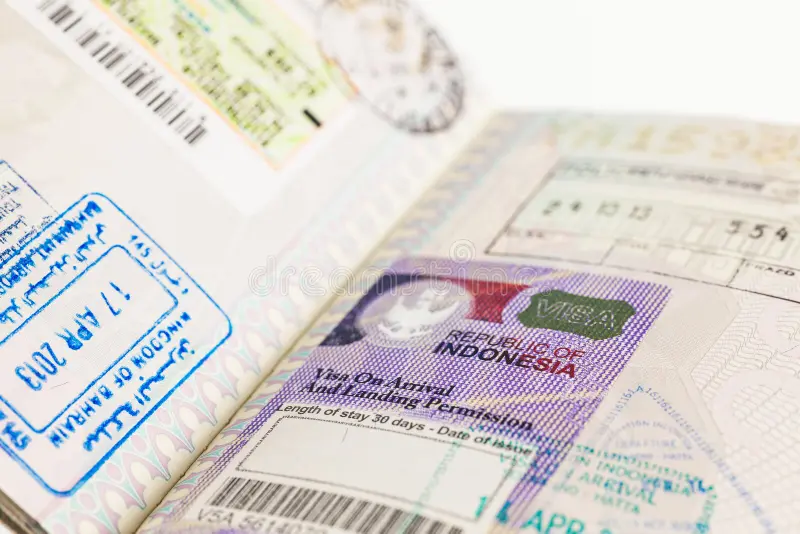
Major Changes to Visa Rules for Tourists in Bali Effective Immediately

A significant update to the visa extension process has just been implemented for tourists and long-stay visitors in Bali and across Indonesia. As of May 29, 2025, all visa applications will now require online registration, followed by in-person document verification and biometric data collection at an Immigration Office.

This new hybrid system marks a shift back to the traditional method of visa extensions, which previously necessitated multiple visits to immigration offices for tourists, long-stay visitors, business travelers, and socio-cultural visa holders.

In 2024, tourists were allowed to extend their eVisa on Arrival and several other visa categories fully online, representing a major step toward a digital immigration system. However, due to a rise in visa violations and unlawful activities among foreigners, Indonesia’s Directorate General of Immigration has introduced this new hybrid application system.

Acting Director General of Immigration Yuldi Yusman detailed these changes in Circular Letter Number IMI-417. GR.01.01 Year 2025, effective immediately. Tourists and long-stay visitors in Bali wishing to extend their visas or residency permits must now register online through the Official Indonesia Immigration website, the same platform used for obtaining the eVisa on Arrival.

Applicants should select “extend my visa” and follow the onscreen instructions, with their passport readily available. The website is accessible in English and compatible with both mobile and desktop devices.

Yusman clarified that this procedure also applies to those holding a visa on arrival (VoA). It remains possible to initiate extension applications through walk-in visits, adhering to the same registration steps. During the first visit to an Immigration Office, applicants will need to complete an extension registration form and can expect a follow-up visit within two working days.

Once the online registration is submitted, applicants will receive an appointment at their nearest immigration office within two working days. These regulations are applicable to all immigration offices throughout Indonesia and all extendable visa categories.

Yusman mentioned a priority service for applicants who are elderly, disabled, pregnant, breastfeeding, or facing emergencies. This service allows for the entire process, including registration and biometrics, to be completed in a single visit with assistance from immigration officers.

The Immigration Department has cited a sharp increase in enforcement cases as a major reason for the new visa extension rules. From January to April 2024, there were 1,610 immigration enforcement cases, while that number rose to 2,201 in the same period in 2025—a 36.71% increase.

During the biometric and document verification appointment, applicants might be asked about their visit intentions and reasons for staying in Indonesia. Although no additional paperwork is required, it is common for visa extension applicants to be inquired about their onward travel plans, accommodation within Indonesia, and, in certain circumstances, proof of financial support.

As Indonesia reinforces its policies against visa abuse and unlawful conduct by foreigners, further changes might be anticipated. The most suitable visas for vacationers heading to Bali are the VoA and eVoA. The VoA can be applied for before arrival or obtained upon landing at Bali Airport. It costs IDR 500,000, is valid for 30 days, and can now be extended for an additional 30 days under the new hybrid application system.

Please note, if you use Bali Legals to extend your visa you will only need to go to immigration once. If you do it yourself you will need to go 3 times. If you want to extend with us you can contact the visa division direct at visa@balilegals.com or via wattsap during office hours on +62 821-4599-7699

Alternatively you can contact us here.

Please follow our Facebook page and Instagram account for all the latest news and information.

See our Google Reviews.

Indonesia Visa Extension 2025: Key Regulation Changes

Indonesia Visa Extension 2025: Key Regulation Changes

What Has Changed?

As of 2025, all foreign nationals must now personally visit the Immigration Office to extend any of the following:

  • ITAS/KITAS (Temporary Stay Permits)
  • ITK (Short-term Visit Visas)

No more remote or online extensions.

New In-Person Requirements

When visiting the Immigration Office, you must:

  • Appear physically at the office
  • Answer questions from immigration officers
  • Submit fingerprints
  • Have your photograph taken

Why This Change?

The Indonesian government reintroduced in-person extensions to:

  • Prevent visa overstays and violations
  • Improve tracking of foreign nationals by region
  • Boost transparency in the process
  • Strengthen national security and administrative control

What to Expect

  • Longer processing times
  • Must visit your assigned local Immigration Office, based on your registered residential address
  • Early preparation is essential to avoid delays

How to Prepare

  1. Gather all required documents ahead of time.
  2. Identify the correct Immigration Office based on where you live:
    • Jakarta → Jakarta Immigration Office
    • Bali → Bali Immigration Office
    • Other regions → Check Immigration Office locator or call local offices
  3. Arrive early on your appointment day.
  4. Be ready for:
    • Biometric data (fingerprints & photo)
    • Interview or questions

Need Help?

If you’re unsure about the process or documents, it’s wise to consult an immigration specialist or visa agent to avoid issues. Bali Legals can assist with this.

For assistance with your Indonesia visa extension, please contact us.

Please follow our Facebook page and Instagram account for all the latest news and information.

See our Google Reviews.